


Virginia, known as the Old Dominion State, features beautiful landscapes ranging from rolling hills and lush forests to picturesque coastlines and winding rivers. Outdoor lovers have plenty to explore there, whether hiking in the Blue Ridge Mountains or relaxing on the Chesapeake Bay. Virginia is home to Colonial Williamsburg, Monticello, and historic Jamestown.
The state also boasts a vibrant arts and history scene, with well-known theaters, galleries, and music festivals. Coupled with a strong economy and diverse communities, Virginia welcomes families, retirees, and young professionals alike. With vibrant cities and charming towns, the state offers a variety of lifestyles to fit almost any need. To help you decide on the perfect place for you to call home in Virginia, we’ve compiled a list of the 10 biggest cities in Virginia, each offering unique opportunities and amenities.
Table of Contents
ToggleVirginia Demographics
Virginia ranks 12th nationally in population and 11th in median household income. Virginia is divided into 95 counties and 38 independent cities. Virginia’s independent cities are considered county-equivalents for census purposes. Here are more demographics and statistics of Virginia:
- Population: 8,868,896
- Median age: 38.7
- Median household income: $89,931
- Median price of housing: $466,800
- Area of state (square miles): 42,774.59
- Density (people per square mile): 219
What Are the Biggest Cities in Virginia?
Looking for the VA cities by population that are the largest? Here are the top 10 biggest cities in Virginia:
1. Virginia Beach
Virginia Beach is the most populous city in the state and is known as “Neptune City” due to its famous Neptune statue. The city is also known for its extensive beachfront and vibrant tourism industry. Virginia Beach was established in 1607, when English colonists first landed before they settled in nearby Jamestown.
Virginia Beach’s top industries are tourism, military, and agriculture. The weather in Virginia Beach is beautiful year round, drawing many to come here. Naval Air Station Oceana is one of the largest naval air bases in the world. Sentara Healthcare and Virginia Beach City Public Schools are other major employers.
Popular attractions include the Virginia Beach Boardwalk in July and August, Ocean Breeze Waterpark, and the Back Bay National Wildlife Refuge. The Neptune Festival and the American Music Festival serve thousands of visitors each year.
- Virginia Beach population: 453,591
- Virginia Beach median age: 38.2
- Virginia Beach median household income: $91,141
- Virginia Beach median house price: $405,000
- Virginia Beach Map
2. Norfolk
Norfolk is called “The Nautical City” and “America’s Navy Town” due to its deep maritime heritage tied to its strategic location on the Chesapeake Bay. Founded in 1682, Norfolk played a key role during the American Revolution and the Civil War. The Norfolk Naval Shipyard, established in 1767, is one of the oldest shipyards in the country.
As one of the biggest cities in Virginia, the economy is heavily centered around the military and maritime industries. It is home to Naval Station Norfolk, the world’s largest naval base. Norfolk’s top attractions include the Chrysler Museum of Art, the Norfolk Botanical Garden, and the vibrant waterfront district known as the Waterside District. Annual festivals include the Norfolk Harborfest and the Virginia Arts Festival.
- Norfolk population: 258,064
- Norfolk median age: 50.1
- Norfolk median household income: $86,097
- Norfolk median house price: $534,300
- Norfolk Map
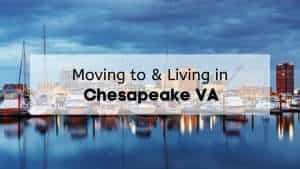
3. Chesapeake
Chesapeake is known as the “Green City” for its abundant parks, forests, and protected wetlands. Founded in 1963 through the consolidation of the former Norfolk County and the city of South Norfolk, Chesapeake has deep colonial roots dating back to the 1600s.
Because it’s one of the biggest cities in Virginia, the economy is diverse, with strong sectors in agriculture, manufacturing, logistics, and defense. Major employers include several military bases, including Naval Support Activity Hampton Roads, along with major employers like Dollar Tree, Bosch, and Chesapeake Public Schools.
Chesapeake is known for its natural beauty, featuring the Great Dismal Swamp National Wildlife Refuge and the Chesapeake Arboretum. Outdoor enthusiasts enjoy extensive hiking, boating, and fishing opportunities. The city also hosts annual events like the Chesapeake Jubilee, and the Chesapeake Fall Festival, celebrating local heritage and crafts.
- Chesapeake population: 253,886
- Chesapeake median age: 38.4
- Chesapeake median household income: $92,633
- Chesapeake median house price: $398,000
- Chesapeake Map
4. Arlington
Although Arlington functions much like a city, it is actually a densely populated urban county just across the Potomac River from Washington, D.C. It’s the smallest self-governing county in the U.S. Often called “The Arlington,” it has a rich history, including being home to Arlington National Cemetery, established in 1864 on the former estate of Confederate General Robert E. Lee. The county also played a critical role during the war and has several historical landmarks commemorating this era. Arlington offers a dynamic mix of history, government, and modern urban living.
Arlington’s economy thrives on government and defense-related industries, with major employers including the Pentagon, the Department of Defense, and numerous federal agencies. Additionally, tech companies and consulting firms contribute to a robust job market.
Because Arlington’s one of the biggest cities in Virginia, there is plenty to do. Top attractions in Arlington include the Pentagon Memorial, Arlington National Cemetery, and the scenic Mount Vernon Trail. The area offers excellent dining, shopping, and cultural venues, such as the Signature Theatre and numerous art galleries.
Annual events like Arlington County Fair and the Crystal City Wine Festival highlight the community’s lively spirit, making it an attractive place to live near the nation’s capital..
- Arlington population: 234,162
- Arlington median age: 35.7
- Arlington median household income: $140,219
- Arlington median house price: $805,000
- Arlington Map
5. Richmond
Richmond is the state capital and is known as “The River City” and “Capital of the Confederacy” for the pivotal role it played during the Civil War as the Confederate capital from 1861 to 1865. The surrender of Confederate General Robert E. Lee to Union General Ulysses S. Grant in Richmond on April 9, 1865, effectively ended the Civil War. Richmond was also deeply involved in the Civil Rights Movement in the 20th century. These events have made the city one of the biggest cities in Virginia.
Richmond’s major industries include finance, law, government, manufacturing, and healthcare. Top employers include the Virginia State Government, Capital One, and Bon Secours Health System. The city has become a growing hub for startups and creative industries as well.
Major attractions include the Virginia State Capitol, designed by Thomas Jefferson, the American Civil War Museum, Maymont Estate and Gardens, and the scenic James River Park System. Richmond also offers a thriving arts scene, with galleries, theaters, and music venues such as the Altria Theater.
Annual festivals like the Richmond Folk Festival, the James River Beer Festival, and the Richmond Jazz Festival celebrate the city’s cultural diversity and lively community spirit.
- Richmond population: 229,247
- Richmond median age: 34.9
- Richmond median household income: $65,650
- Richmond median house price: $408,000
- Richmond Map
6. Newport News
Newport News, known as the “Port City,” boasts a rich maritime history tied to its strategic location along the James River and Chesapeake Bay. Founded in 1896, the city grew rapidly due to shipbuilding and port activities. The Newport News Shipbuilding and Dry Dock Company was established in Newport News in 1886, and today it remains one of the largest shipyards in the U.S.
Newport News’ economy centers on shipbuilding, military contracting, aerospace, and manufacturing. Major employers include Huntington Ingalls Industries, Sentara Healthcare, and the U.S. military. The city also benefits from proximity to military bases like Fort Eustis.
Popular attractions in the city include the Mariners’ Museum and Park, Virginia War Museum, and the historic Endview Plantation. Newport News Park is one of the largest municipal parks in the country. Annual events like the Peninsula Oktoberfest draw visitors for food, music, and crafts. This is the best of the biggest cities in Virginia for those who want a low cost of living.
- Newport News population: 183,118
- Newport News median age: 34.7
- Newport News median household income: $64,962
- Newport News median house price: $275,000
- Newport News Map
7. Alexandria
Alexandria is often called the “City of History,” due to its well-preserved 18th and 19th-century architecture and rich colonial heritage. Founded in 1749, Alexandria played a significant role during the American Revolution and the Civil War, and was occupied by Union forces during the Civil War starting in 1861. The city’s historic Old Town district attracts many visitors with its cobblestone streets and waterfront.
Alexandria’s economy is diverse, with major industries including government contracting, technology, and tourism. Major employers include the U.S. Patent and Trademark Office, U.S. Coast Guard Headquarters, and various defense contractors.
Top attractions in Alexandria as one of the biggest cities in Virginia include the Torpedo Factory Art Center, George Washington Masonic National Memorial, and its waterfront parks. Festivals such as the Alexandria Scottish Christmas Walk and the First Night Alexandria New Year’s celebration showcase the city’s vibrant culture.
- Alexandria population: 155,230
- Alexandria median age: 38.2
- Alexandria median household income: $110,294
- Alexandria median house price: $705,000
- Alexandria Map
8. Hampton
Hampton is known as the “Cradle of the American Navy,” due to its rich colonial and military history. The city was founded in 1610 and is one of the oldest continuously inhabited English settlements in the United States. It’s remained one of the biggest cities in Virginia throughout history.
Hampton’s economy centers on the aerospace, military, and education sectors. Major employers include NASA Langley Research Center, Langley Air Force Base, and Thomas Nelson Community College.
Popular attractions in the city include the Virginia Air & Space Center, Hampton History Museum, and Fort Monroe National Monument. The Hampton Jazz Festival, the Annual Seafood Festival, and Hampton’s coastal location along the Chesapeake Bay, offering beautiful waterfront parks and beaches, make Hampton a popular place to live.
- Hampton population: 137,098
- Hampton median age: 35.9
- Hampton median household income: $70,238
- Hampton median house price: $300,000
- Hampton Map
9. Suffolk
Suffolk is the largest city by land area in Virginia and is often called the “Peanut Capital of the World” because of its rich peanut farming industry, which has shaped much of its economy and culture. Suffolk was founded in 1742 and played a strategic role during the Civil War. During the 1863 Siege of Suffolk, Union forces defended the city against Confederate troops.
Suffolk’s top industries include agriculture, manufacturing, and retail. Major employers include Smithfield Foods, one of the world’s largest pork producers, and the city’s public school system.
Suffolk’s major attractions include the historic Suffolk Seaboard Station Railroad Museum, Lake Meade Park, and the charming downtown area with shops and dining. Suffolk hosts several popular events, such as the annual Suffolk Peanut Fest, celebrating the city’s peanut legacy, and the Suffolk Art & Music Festival.
- Suffolk population: 100,659
- Suffolk median age: 39.8 years old
- Suffolk median household income: $81,154
- Suffolk median house price: $396,000
- Suffolk Map
10. Roanoke
Roanoke, with a population of approximately 97,415, is located in the Blue Ridge Mountains and is famed for the Roanoke Star. Roanoke is called the “Star City of the South” because of the iconic Roanoke Star, a massive illuminated structure on Mill Mountain. Founded in the late 19th century, Roanoke grew rapidly due to the railroad industry, becoming a major railroad hub for the Norfolk and Western Railway. Though it’s the smallest of the biggest cities in Virginia, there’s still plenty of life here!
Today, Roanoke’s major industries include healthcare, manufacturing, and technology. Key employers include Carilion Clinic, Norfolk Southern Corporation, and Virginia Tech Carilion School of Medicine.
Roanoke attractions include the Mill Mountain Zoo, the Taubman Museum of Art, and the nearby scenic Blue Ridge Parkway. Popular events like the Roanoke Festival in the Park and the annual Strawberry Festival attract visitors from all over the region.
- Roanoke population: 97,415
- Roanoke median age: 38.9 years old
- Roanoke median household income: $51,038
- Roanoke median house price: $230,000
- Roanoke Map
Largest Cities in Virginia Map
Check out the biggest cities in Virginia with this map:
Frequently Asked Questions About Virginia Cities
What Is the Biggest City in Virginia by Population?
The largest city in Virginia by population is Virginia Beach, with a population of over 450,000 residents. Located along the Atlantic coast, Virginia Beach is an independent city known for its tourism industry, military presence, and suburban-style neighborhoods. It has been Virginia’s most populous city for several decades, surpassing Richmond, Norfolk, and Chesapeake.
What Is the Safest City in Virginia?
There is no single “safest” city in Virginia, as safety rankings vary by data source and year. However, cities such as Vienna, Purcellville, and Blacksburg frequently report lower-than-average crime rates compared to state and national averages. Safety depends on factors such as population size, policing, and local reporting practices.
What Is the Richest Town in Virginia?
The richest town in Virginia is often cited as McLean, based on median household income. McLean, located in Fairfax County, has a median household income well above $200,000 and is home to many executives, government officials, and technology professionals. Proximity to Washington, D.C., and major employers contributes to its high income levels.
What Is the Nicest City in Virginia to Live in?
The “nicest” city in Virginia depends on lifestyle preferences, but Arlington, Alexandria, and Charlottesville are frequently ranked highly. These areas are known for strong job markets, walkability, cultural amenities of New England, schools, and quality of life. Factors such as cost of living, commute times, and housing availability vary by location.
Which of the Largest Cities in Virginia Is Right for You?
After learning about the biggest cities in Virginia, have you picked the one that suits you best? Even if your ideal spot isn’t listed here, Virginia is surrounded by fantastic places to live. Wherever your new home is in Virginia, Off Load Moving is ready to help. Our experienced crew is committed to making your Virginia relocation as hassle-free as possible with our planning and execution. Give our Virginia Beach movers a call today at 757-749-7212 or request a quote online for your free moving estimate!